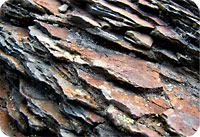
Shale Gas Testing
Analytical Lab Support for Shale Oil and Gas Exploration
With the increase in demand for natural gas, hydraulic fracturing, also known as hydrofracking or fracking, a method of extracting natural gas from shale oil formations, is becoming widely used by gas exploration companies.
The EPA, states, and local communities are concerned about potential impacts to groundwater, soil, drinking water and wastewater generated by fracking techniques. To date the EPA has identified five sources of potential impacts on drinking water resources: water acquisition; chemical mixing; well injection; flowback and produced water; and water treatment and waste disposal.
In addition, there is concern regarding the disposal of drill cuttings, the source of methane detected in drinking water supplies, and fugitive emissions from the fracturing process.